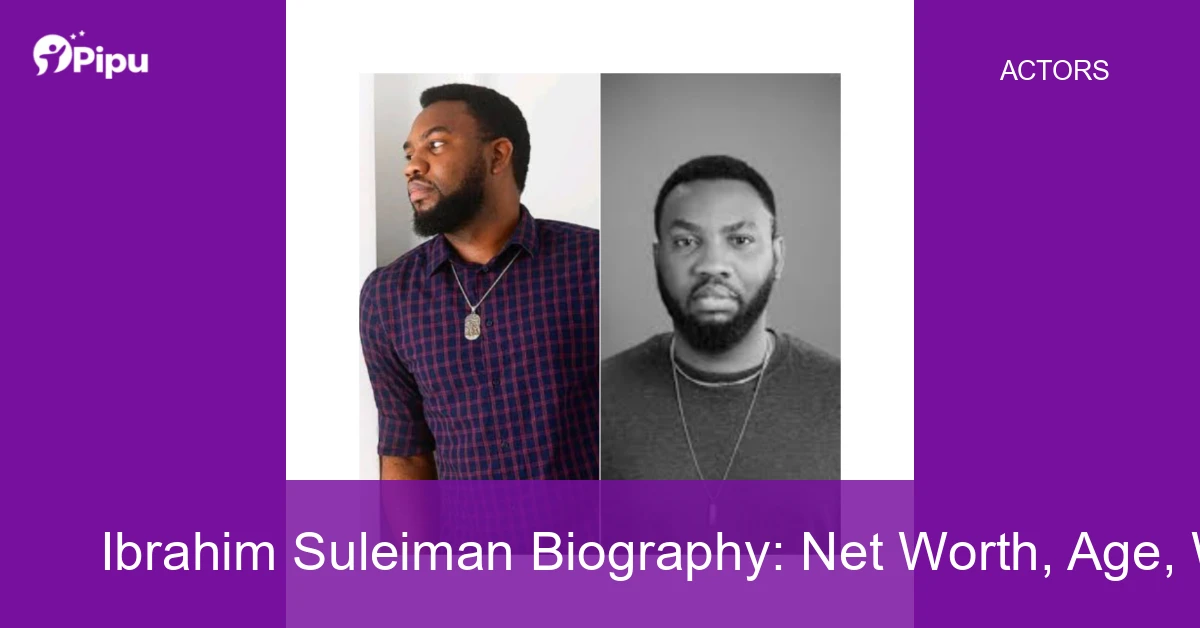
Ibrahim Babangida biography detailing his net worth, age, wife, education, family, military career, leadership legacy, and early life in Nigeria.
Ibrahim Badamasi Babangida, widely known as IBB, is one of the most influential and controversial figures in Nigeria’s political and military history. He served as Nigeria’s military president from 1985 to 1993, shaping the country’s economic, political, and diplomatic direction during a critical period.
Often described as a master strategist and political tactician, Babangida’s leadership introduced sweeping reforms, including the Structural Adjustment Program (SAP), which significantly impacted Nigeria’s economy. His era was marked by both modernization efforts and intense political controversies, particularly the annulment of the June 12, 1993 presidential election.
Despite decades out of power, Ibrahim Babangida remains a towering figure in Nigerian public discourse. His influence, wealth, and political legacy continue to spark debate, admiration, and criticism across generations.
As Babangida once famously said, “Leadership is about making difficult choices, even when they are unpopular.” His life story reflects ambition, power, and the complexities of governance in modern Nigeria.
See also: Omije Ojumi Biography: Net Worth, Age, Wife, Education, Family, Career, Early Life
Highlights of Ibrahim Babangida Biography
- Full Name: Ibrahim Badamasi Babangida
- Date of Birth: August 17, 1941
- Age: 84 years (as of 2026)
- Nationality: Nigerian
- Profession: Military officer, politician, former Head of State
- Wife: Late Maryam Babangida
- Children: Four (Aisha, Muhammad, Aminu, Halima)
- Estimated Net Worth: $5 billion (₦7 trillion+ estimated)
- State of Origin: Niger State, Nigeria
Early Life
Ibrahim Badamasi Babangida was born on August 17, 1941, in Minna, Niger State, Nigeria. He was raised in a traditional Muslim household, where discipline, education, and religious values were emphasized.
From an early age, Babangida showed strong leadership tendencies and intellectual curiosity. His upbringing in northern Nigeria exposed him to the political and cultural structures that would later influence his leadership style.
He received early Islamic education before enrolling in formal primary and secondary schools. Growing up in Minna, he formed friendships with several future military leaders, many of whom would later play important roles in Nigeria’s military and political history.
These formative years helped shape Babangida’s worldview, discipline, and strategic thinking.
Education
Babangida attended Government College Bida for his secondary education, where he demonstrated strong academic and leadership qualities.
He later joined the Nigerian Military Training College in Kaduna, marking the beginning of his lifelong military career. His military training was further enhanced through international programs, including advanced military education in India and other allied countries.
Throughout his training, Babangida earned a reputation as a highly intelligent and strategic officer. His education focused on military science, leadership, intelligence, and national security — skills that would define his future roles.
His commitment to continuous learning helped him rise rapidly through the military ranks.
Career / Professional Journey
Ibrahim Babangida joined the Nigerian Army in 1962 and steadily climbed the ranks through discipline, loyalty, and strategic brilliance.
He played active roles during the Nigerian Civil War (1967–1970), gaining valuable combat and leadership experience. Over the years, he became known as a skilled intelligence and operations officer.
In August 1985, Babangida led a bloodless military coup that removed General Muhammadu Buhari from power. He assumed office as Nigeria’s Military President, becoming one of the longest-serving military leaders in the country’s history.
During his presidency, Babangida introduced several major reforms, including:
- Structural Adjustment Program (SAP)
- Privatization of state-owned enterprises
- Economic liberalization
- Creation of new states and local governments
- Establishment of national security agencies
- Strengthening of Nigeria’s regional influence in Africa
His administration played a key role in regional peacekeeping efforts, particularly in Liberia and Sierra Leone.
However, Babangida’s rule was also marked by controversy. The most significant was the annulment of the June 12, 1993 presidential election, widely believed to have been won by Moshood Abiola. This decision led to widespread protests and ultimately forced Babangida to step aside.
He handed over to an interim civilian government in August 1993, officially ending his military presidency.
Net Worth and Lifestyle
Ibrahim Babangida is widely regarded as one of the wealthiest political figures in Nigerian history.
His estimated net worth is approximately $5 billion USD, which translates to over ₦7 trillion in Nigerian currency based on current exchange rates.
His wealth is believed to come from:
- Military and political influence
- Investments in banking, oil, real estate, and telecommunications
- Business partnerships
- Strategic stakes in major Nigerian companies
- Long-term investments and inherited assets
Babangida is known for his luxurious lifestyle, including ownership of high-value properties in Nigeria and abroad. His residence in Minna, often referred to as “Hilltop Mansion,” is famous for hosting high-profile political and business figures.
Despite controversies surrounding his wealth, Babangida has remained one of the most financially powerful individuals in Nigeria.
Personal Life
Ibrahim Babangida was married to Maryam Babangida, one of Nigeria’s most admired First Ladies, from 1969 until her death in 2009.
Maryam Babangida was celebrated for her elegance, intelligence, and advocacy for women through her “Better Life for Rural Women” initiative, which empowered countless Nigerian women.
The couple had four children:
- Aisha Babangida
- Muhammad Babangida
- Aminu Babangida
- Halima Babangida
Babangida is known to be a deeply private family man who values loyalty, tradition, and strong family ties. He continues to play an influential role in his children’s personal and professional lives.
Following Maryam’s passing, Babangida has remained unmarried publicly and maintains a low-profile personal life.
Conclusion
Ibrahim Babangida remains one of the most powerful and complex figures in Nigeria’s modern history. His leadership transformed Nigeria’s economic structure, strengthened its regional influence, and reshaped national politics.
While his presidency is remembered for modernization and strategic reforms, it is equally remembered for controversy, political maneuvering, and unresolved national debates.
Regardless of differing opinions, Babangida’s impact on Nigeria is undeniable. His life represents the highs and lows of leadership, power, and national transformation.
As history continues to evaluate his legacy, Ibrahim Babangida remains a central figure in Nigeria’s political narrative.
FAQs About Ibrahim Babangida
What is Ibrahim Babangida’s net worth?
Ibrahim Babangida’s estimated net worth is around $5 billion USD. This makes him one of the wealthiest former leaders in Nigeria’s history.
How old is Ibrahim Babangida?
He was born on August 17, 1941. As of 2026, he is 84 years old.
What is Ibrahim Babangida’s educational background?
He attended Government College Bida and received military training in Kaduna and abroad. His education focused on military leadership and national security.
Is Ibrahim Babangida married or single?
He was married to Maryam Babangida until her death in 2009. He has not publicly remarried.
Who are Ibrahim Babangida’s children?
He has four children: Aisha, Muhammad, Aminu, and Halima Babangida.
What is Ibrahim Babangida’s nationality?
He is Nigerian and hails from Niger State.
How did Ibrahim Babangida become famous?
He became famous after leading a military coup in 1985 and serving as Nigeria’s military president from 1985 to 1993.

Linda Marris is a Lagos-based entertainment journalist and content researcher with over six years of experience covering Nigerian music, film, and pop culture. A graduate of Mass Communication from the University of Lagos, she leads research and editorial review at Pipu, ensuring every biography meets the platform’s accuracy and quality standards. She specialises in Afrobeats, Nollywood, and Nigerian digital culture.